 +377 6 80 86 40 50



History of Monaco Grand Prix Hospitality | Monaco Grand Prix Hospitality Guide

History of Monaco Grand Prix Hospitality
From Rooftops to Modern Luxury
The Monaco Grand Prix has always been more than a race.
It is a theatre, a ritual, a social celebration staged between the harbour, the hills and the narrow streets of the principality.
But long before yachts filled Port Hercule or terraces became the most coveted spaces in Europe, Monaco’s hospitality culture began in a simpler, more intimate way.
This is the story of how Monaco GP hospitality evolved from improvised rooftop gatherings to today’s
ultra-structured luxury ecosystem, with iconic locations such as Symptuous Terrace standing as
the modern pinnacle of the experience.

1. The Early Era – Rooftops, Balconies & Local Families
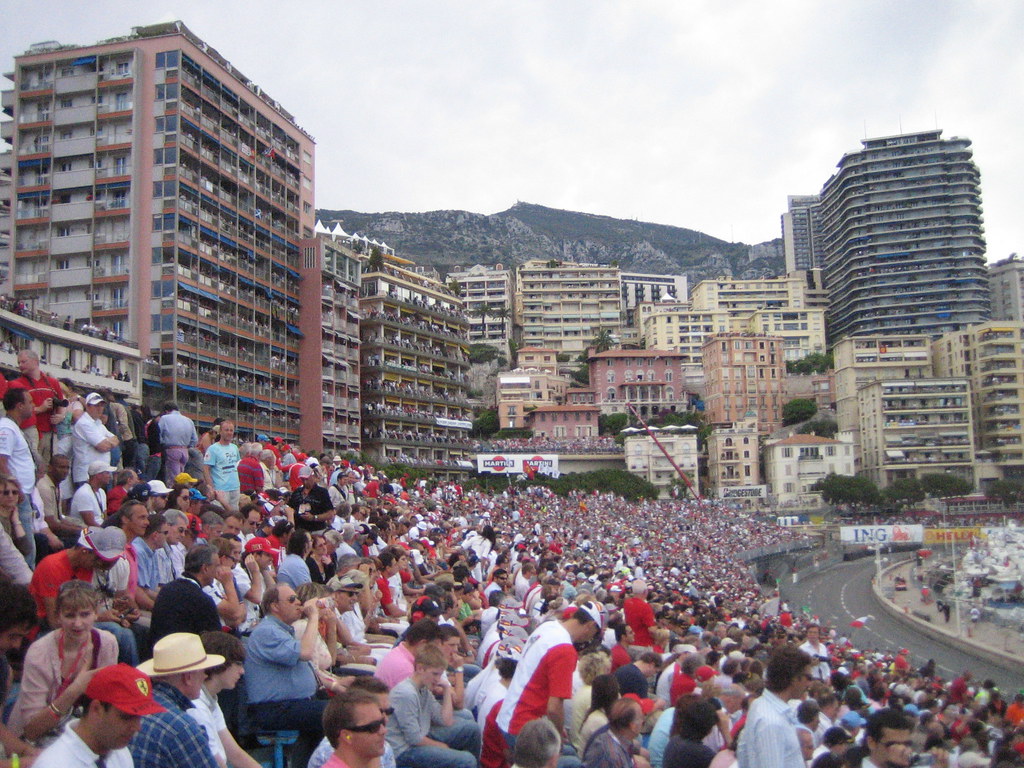
Before hospitality became an industry, Monaco’s unique topography made it natural for spectators to watch the Grand Prix
from balconies, windows, gardens and rooftops of local buildings.
Families would gather on terraces with folding chairs, snacks and radios. Children climbed onto parapets while adults
commented on the roar of the engines winding through Sainte-Dévote or roaring out of the tunnel.
In the 1950s, 60s and 70s, there was no formal hospitality structure.
The “VIPs” were simply residents with the best vantage points.
People opened their terraces to friends or neighbours; some buildings became legendary due to their panoramic views.
This era laid the foundation of Monaco’s hospitality identity: elevation, proximity and a feeling of being
inside the race without leaving home.
2. The 1980s–1990s – The Birth of Structured Hospitality
As the Monaco GP grew in global prestige, demand for premium viewing increased.
The concept of structured terrace hospitality slowly emerged, first through small agencies and local operators
who formalised what residents had done privately for decades.
This era saw the birth of:
- officially organised rooftop viewing events
- the first premium terraces in prime buildings overlooking the circuit
- private catering replacing homemade food
Buildings like those around Ermanno Palace, Shangri-La, Heracles and
Panorama quickly developed a reputation for offering the best vantage points.
Guests could now enjoy a structured, comfortable environment with food, drinks and direct access.
This marked the transition from improvised gatherings to the early traces of today’s premium hospitality.
3. The Arrival of Yachts – A New Chapter in the 2000s
The 1990s–2000s brought a major transformation: yachts began to anchor in Port Hercule specifically for the Grand Prix.
What started as a few private boats turned into one of the most recognisable images in motorsport:
superyachts lined up next to the track while F1 cars race by at incredible speed.
The harbour became a second hospitality world:
- floating lounges with champagne bars
- DJs and sun decks
- private corporate entertainment
- even team events and sponsor receptions
Watching the Grand Prix from a yacht felt glamorous, cinematic and unmistakably Monaco.
This new experience attracted celebrities, entrepreneurs and global media attention.
From the mid-2000s onwards, yachts became an essential part of Monaco’s hospitality identity –
not replacing terraces, but complementing them.
4. The Rise of Hospitality Tiers – Bronze, Silver, Gold, Panoramic
As demand exploded, hospitality operators introduced a structured system of tiers to help guests understand
the differences between viewing levels.
These tiers included:
- Bronze – closer to the track but with limited elevation
- Silver – mid-level floors with better visibility
- Gold – excellent height and stronger hospitality services
- Panoramic – rooftops offering broad multi-corner visibility
This segmentation reflected not only height, but also quality of view, comfort and service.
It helped spectators choose experiences that matched their expectations and budget.
5. The Modern Pinnacle – Symptuous Terrace & the Era of Ultra-Premium Viewing
Among the most iconic modern terraces, one stands out as a symbol of the new era:
Symptuous Terrace (7th floor at Ermanno Palace).
It encapsulates everything that makes Monaco hospitality unique:
- the perfect compromise between height and proximity
- clear visibility of Sainte-Dévote corner, start/finish, and even
the tunnel entry - a 200° panoramic view over the harbour and grandstands
- a high-end hospitality environment with professional coordination
While panoramic rooftops offer higher elevation, Symptuous excels by balancing clarity of view and
immersive race proximity.
It is widely considered one of the finest vantage points in Monaco, preferred by families, VIP visitors and
motorsport enthusiasts alike.
This type of terrace represents the modern peak of Monaco hospitality – a combination of engineering, interior comfort,
logistics mastery and an unparalleled viewing angle.
6. The Evolution of Prices – From Accessible Luxury to Global Icon
The Monaco Grand Prix has always been premium, but the past two decades reshaped the pricing landscape dramatically.
Demand exploded among international travellers, global celebrities and Formula 1’s expanding fanbase.
Key influences included:
- the sport’s global growth in the 2010s
- the rise of social media showcasing Monaco’s glamour
- Drive to Survive bringing new generations into F1
- the 2025 F1 movie amplifying interest in the event
- a surge in luxury tourism across Europe
As a result, hospitality prices followed suit.
Compared to the early 2000s, most premium terraces and yacht experiences have seen a multi-fold increase.
This reflects not only demand, but the immense operational cost of delivering high-end service in such a constrained
urban environment.
Yet even as prices rose, interest kept growing – making Monaco the most iconic and desirable hospitality weekend
in Formula 1.
7. The Digital Revolution – From Phone Bookings to Global Online Sales
Another major shift happened in the late 2010s: the digitalisation of Monaco GP hospitality.
Where bookings once required phone calls and local connections, platforms began offering:
- online reservations
- package comparisons
- real-time availability
- secure checkout systems
This online transformation made Monaco hospitality more accessible to international guests.
Even so, the most premium terraces and yachts (especially limited-capacity ones such as Symptuous or private yachts)
often remain accessible only through private networks or specialised agencies.
8. The New Audience – Influencers, Digital Creators & Global Fans
The modern era also saw a shift in the demographic landscape.
While Monaco has always attracted VIPs, the 2020s introduced:
- digital creators filming terrace and yacht experiences
- young professionals drawn by the glamour of F1
- families seeking comfort-oriented terraces
- global fans from the US, Middle East and Asia
This diversity influenced hospitality design: terraces became more polished, yachts more event-driven,
and packages began catering to specific lifestyles and expectations.
9. The Emergence of Structured Experiences
By the mid-2020s, the market evolved into a fully structured ecosystem featuring:
- terraces ranked by elevation and view
- yachts classified by size, deck structure and harbour position
- VIP paddock experiences
- after-parties on yachts or private venues
- multi-day packages combining several vantage points
Each option answers a different audience:
Symptuous terraces for full-race views, yachts for high-energy social environments, panoramic rooftops for photography lovers, paddock experiences for motorsport purists.
Corporate teams and agencies increasingly turned to group bookings at the Monaco Grand Prix as a way to secure privatised spaces for incentive travel and VIP client entertainment — a demand that shaped how operators now structure their premium offerings.
10. The Future of Monaco GP Hospitality
Hospitality is now one of the pillars of the Monaco Grand Prix.
Looking ahead, the future will likely bring:
- more premium multi-day packages
- better sustainability initiatives
- more advanced digital booking experiences
- enhanced comfort and service standards
- even more refined terrace viewing engineering
But one thing will not change: the soul of Monaco hospitality.
It will always be a blend of proximity, elegance, and the breathtaking tension of Formula 1 cars racing between buildings.
11. Why Monaco Hospitality Remains Unlike Anything Else
No other circuit in the world offers such a combination of:
- street-level intensity
- harbour-side glamour
- elevated viewing positions
- intimate proximity to the race
Terraces perched above the track, yachts vibrating with engine echoes,
crowds filling the harbour, and the sound of F1 reverberating between buildings –
this is what makes Monaco hospitality a living legend.
FAQ – History of Monaco GP Hospitality
When did Monaco Grand Prix hospitality begin?
It started informally with local families watching from rooftops and balconies in the early decades of the Grand Prix.
When did yachts become part of the Monaco GP?
Yachts began anchoring for the race in the late 1990s and early 2000s, quickly becoming a symbol of the event.
What is the most iconic modern terrace?
The Symptuous Terrace at Ermanno Palace is widely regarded as one of the finest modern hospitality viewpoints.
Why have hospitality prices increased?
Demand has grown due to the global rise of Formula 1, luxury tourism, social media and the event’s iconic status.
Is terrace hospitality still the best option for visibility?
For panoramic views and multi-corner coverage, terraces remain the most complete option.
